The importance of regular termite inspections for property protection

Understanding the threat of termites
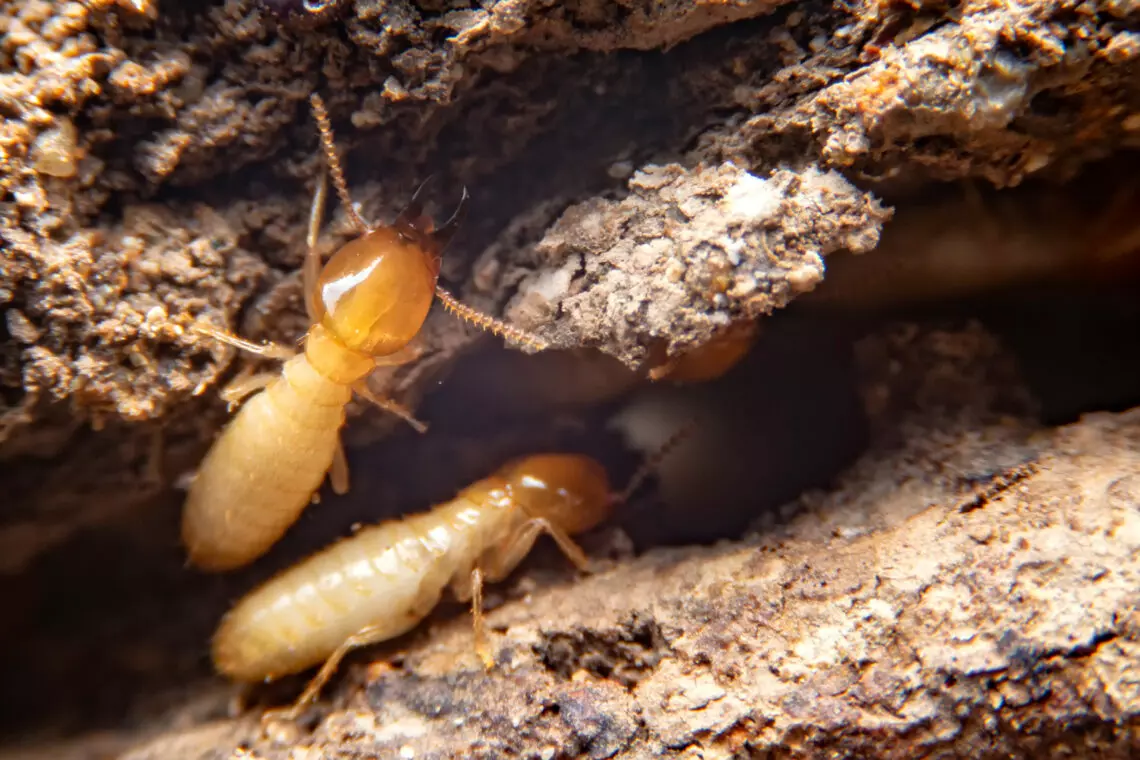
Termites are often referred to as “silent destroyers” due to their ability to cause significant damage to structures without immediate detection. These tiny insects feed on cellulose, a component found in wood, paper, and other plant-based materials. This means that the very framework of your home is at risk if termites invade. Unlike other pests, termites work quietly and consistently, often causing damage over months or even years before their presence becomes noticeable. This makes them one of the most dangerous pests for any property, leading to costly repairs if not detected early.
The severity of termite infestations varies depending on the type of termite, the size of the colony, and the duration of the infestation. However, all types of termites pose a serious threat to the integrity of your home or building. They can weaken the structure, making it unsafe and potentially leading to collapse in extreme cases. This potential for damage underscores the critical importance of regular termite inspections as a preventive measure. Early detection through inspections can save property owners thousands of dollars in repairs and provide peace of mind.
How termites invade your property
Understanding how termites enter your property can help you appreciate the importance of inspections. Termites typically gain access to a building through the soil, seeking out wood and other materials in contact with the ground. Subterranean termites, the most common type, build mud tubes that connect their colonies in the soil to the wood in your home. These tubes provide the termites with the moisture they need to survive and serve as protected pathways for them to travel undetected. Once inside, they can spread quickly, feeding on wood, drywall, insulation, and even paper products.
Common entry points for termites
There are several common entry points that termites use to invade properties. Cracks in the foundation, gaps around plumbing and electrical lines, and areas where wood meets soil are all vulnerable spots. Additionally, any wood that is in direct contact with the ground, such as deck posts, wooden steps, or even mulch, can serve as an invitation for termites. Understanding these entry points is crucial for effective prevention. Regular inspections can identify and address these vulnerabilities before termites have a chance to exploit them.
The role of regular termite inspections
Regular termite inspections are a key component of maintaining the integrity of your property. These inspections involve a thorough examination of your home or building by a trained professional who knows what signs to look for. Inspections typically include checking for mud tubes, wood damage, and termite droppings, all of which are indicators of an infestation. By conducting these inspections regularly, you can catch any signs of termites early, before they cause significant damage.
Termite inspections are not just about identifying current infestations; they are also about preventing future problems. During an inspection, a professional can assess the overall condition of your property and identify areas that may be at risk for future termite activity. This proactive approach allows you to take steps to protect your property before an infestation occurs, saving you time, money, and stress in the long run.
What to expect during a termite inspection
During a termite inspection, the inspector will conduct a comprehensive assessment of both the interior and exterior of your property. They will examine the foundation, walls, floors, and other structural elements for any signs of termite activity. The inspector will also check for moisture issues, as termites are attracted to damp areas. This includes inspecting crawl spaces, basements, and attics where moisture can accumulate and create ideal conditions for termites.
Inspection tools and techniques
Professional termite inspectors use a variety of tools and techniques to detect termite activity. These may include moisture meters to detect areas of high humidity, which can indicate potential termite habitats. Infrared cameras can also be used to spot temperature variations that may indicate termite activity behind walls. Additionally, some inspectors use acoustic devices to listen for the sounds of termites eating wood. These advanced tools allow inspectors to detect termites even in hidden areas, ensuring a thorough inspection.
Preventive measures after an inspection
After a termite inspection, the next step is to implement preventive measures to protect your property. If the inspection reveals any signs of termites, immediate treatment is necessary to eliminate the infestation. However, even if no termites are found, it is important to take steps to prevent future infestations. This might include repairing any structural issues, improving drainage around the property, and reducing wood-to-soil contact. Additionally, regular inspections should be scheduled to monitor the effectiveness of these preventive measures and to ensure that your property remains termite-free.
Long-term prevention strategies
Long-term prevention of termite infestations involves a combination of regular inspections, property maintenance, and environmental management. This includes keeping gutters clean and ensuring that water drains away from your home to reduce moisture levels. It is also important to store firewood and other wooden materials away from your home, as these can attract termites. By adopting these strategies, you can create an environment that is less appealing to termites and reduce the risk of an infestation.
Signs you need a termite inspection
While regular inspections are important, there are certain signs that indicate you may need an immediate termite inspection. These signs include finding discarded wings near windows or doors, which suggest that termites have swarmed. Additionally, if you notice wood that sounds hollow when tapped, or if you see mud tubes on your walls or foundation, these are strong indicators of termite activity. Other signs include peeling paint or wallpaper, which can indicate moisture damage caused by termites, and small piles of termite droppings near wood structures.
Addressing termite problems promptly
It is crucial to address any signs of termites as soon as they are detected. Ignoring these signs can lead to more extensive damage over time, increasing repair costs and potentially compromising the safety of your home. By scheduling a professional inspection at the first sign of termites, you can take swift action to eliminate the problem and protect your property from further damage.
Why regular inspections are worth the investment
Investing in regular termite inspections is one of the best ways to protect your property from the significant damage these pests can cause. The cost of an inspection is minimal compared to the potential cost of repairing termite damage, which can run into thousands of dollars. In addition to preventing costly repairs, regular inspections provide peace of mind, knowing that your home is being monitored by professionals who can detect and address termite activity early. Over time, this proactive approach can save you money, preserve the value of your property, and ensure the safety and comfort of your home.






Post Comment